
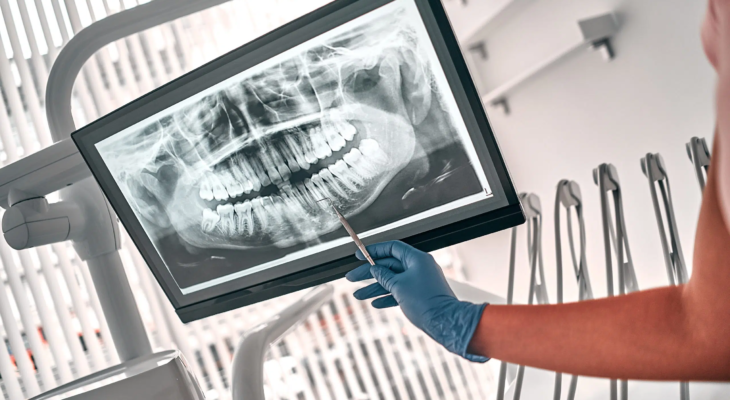
You might be feeling stuck in a frustrating cycle. You go to the dentist, you get a quick exam, maybe a rushed explanation, then you leave with a treatment plan that feels more like a mystery than a map. Later, you start to wonder. Was that filling really necessary? Could that root canal treatment in Brookhaven, GA have been avoided? Why are things still hurting even after you followed all the advice?end
This is the space where many people live for years. They bounce between opinions, worry about over-treatment, and hope they are not missing something serious. It is stressful, it is expensive, and it chips away at your trust in dental care.
The truth is, most of this anxiety comes down to one thing. How accurate was the diagnosis in the first place. When the diagnosis is clear and grounded in evidence, the treatment plan becomes calmer, more predictable, and easier to understand. You save teeth when they can be saved, you spend money where it truly matters, and you are less likely to face surprise problems later.
So, if you are wondering whether accurate diagnostics really change your outcome, the short answer is yes. A careful diagnosis is the foundation of a safer, more effective, and more affordable dental plan. The rest of this page will help you see what that looks like in real life, and what you can do to protect yourself.
Why do dental problems feel like they come “out of nowhere”?
It often starts with something small. A bit of sensitivity to cold, a dark spot you notice in a photo, or bleeding when you floss. You bring it up at a routine visit, your dentist takes a quick look, maybe snaps a couple of X-rays, and you hear, “We will keep an eye on it.”
Months later, that “small” issue has turned into a broken tooth or a painful infection. Now the options are a root canal, crown, or even an extraction. You may think, “If this was coming, why did no one catch it earlier?”
This is where diagnostic quality matters. A careful dentist does not just look at what is obvious. They consider your medical history, your habits, your past dental work, and the latest research on what actually works. They use tools like radiographs, clinical photos, and, when needed, additional tests, then match what they see with solid evidence from places like evidence based dental research from the American Dental Association.
Without that level of care, you can end up with a plan that treats symptoms instead of causes. A filling on a tooth that actually needs a root canal. A cleaning when there is already moderate gum disease. A “wait and see” approach when early treatment would have been simpler and cheaper.
What actually changes when diagnostics are accurate?
Think about two different patients with similar complaints. Both say, “I have a little pain when I chew on this side.” On the surface, they sound the same. Underneath, they may be completely different stories.
In one case, the pain might be from a high spot on a filling that just needs a minor adjustment. In another, it could be a crack in the tooth that, if ignored, will spread and lead to a full fracture. If the dentist does not take the time to test the tooth properly, check the bite, and study the X-rays, the treatment plan may miss the real problem.
Accurate diagnostics change your care in several ways.
First, they improve safety. When a dentist uses an evidence based approach, like the frameworks described in the evidence based dentistry resources from academic centers, the goal is to avoid unnecessary procedures and reduce the risk of complications. You are less likely to have a tooth opened for a root canal that turns out not to be needed, or have gum surgery when non-surgical care would have worked.
Second, they improve long term outcomes. Research on chronic conditions, including oral disease, shows that early, accurate identification of disease leads to better health over time and fewer emergencies. For example, studies summarized by the Centers for Disease Control and Prevention on chronic disease management highlight that prevention and early control are far more effective than waiting for crisis care.
Third, they make costs more predictable. When your dentist understands the full picture, your treatment plan is less likely to change halfway through. You can see the likely path over the next year or two, not just the next appointment. That means fewer surprise bills and fewer “we did not know until we got in there” moments.
Because of this, you might ask, how can you tell whether your dentist is using accurate diagnostics, or just guessing from experience and habit.
How do accurate diagnostics shape my treatment options?
A strong diagnostic process does not just lead to “a treatment plan.” It leads to the right kind of plan for you. That plan should balance three things. What the evidence says is effective, what your mouth actually needs, and what fits your life and budget.
Evidence based dentistry, as discussed in clinical guidance such as the NCBI book on clinical decision making, encourages dentists to combine research, clinical expertise, and your values. That means your dentist should be able to say, “Here is what the studies show. Here is what I see in your mouth. Here are two or three reasonable paths, and what each one means for you.”
For example, if you have early gum disease, an accurate diagnosis might show that you do not need surgery yet. Instead, scaling and root planing, plus targeted home care, could be enough. If a cavity is still in the outer layer of the tooth, you might not need a full filling. Your dentist could recommend monitoring, fluoride treatments, and specific changes in your daily routine.
This is where an accurate dental diagnosis for treatment planning becomes your shield. It helps you avoid both extremes. Over treatment that costs too much and removes healthy tooth structure, and under treatment that lets disease progress quietly until it becomes an emergency.
Comparing rushed exams and evidence based diagnostics
To make this more concrete, it can help to compare what often happens in a rushed visit with what you should expect from a careful, evidence guided exam by a general dentist.
| Aspect of care | Rushed, surface level exam | Evidence based diagnostic approach |
|---|---|---|
| Time spent on exam | Quick visual check, limited questions | Thorough history, visual exam, bite check, and targeted tests as needed |
| Use of X-rays and photos | Minimal images, little explanation | Appropriate imaging, clear explanation of what is seen and why it matters |
| Basis for treatment plan | Mainly habit and personal preference | Combination of research, clinical experience, and your specific situation |
| Discussion of options | One “standard” plan, little room for questions | Several options, with pros, cons, and likely long term results |
| Long term outcome | Higher risk of surprises and repeated work | More predictable results and fewer emergencies |
When you look at it this way, you can see why accurate diagnosis in dental care is not a luxury or an “extra.” It is the core of safe and sensible treatment.
Three steps you can take now to protect your smile
1. Ask your dentist how they reached the diagnosis
You are not being difficult when you ask, “Can you walk me through what you found and how you know this is the right treatment.” A thoughtful dentist should welcome that question. They might show you your X-rays, describe test results, or explain how current evidence supports their recommendation. If the explanation is vague or rushed, that is useful information for you.
2. Request that options be clearly compared
For any significant treatment, ask for at least two options. For example, “What happens if we do the crown now versus monitor this tooth for six months.” Or “Is there a non-surgical option for my gums, and what are the pros and cons.” This kind of conversation is exactly what evidence based care is designed to support. It helps you see the difference between urgent needs and things that can reasonably wait.
3. Keep your own record of symptoms and questions
Before your visit, write down what you are feeling, how long it has been going on, what makes it better or worse, and any past issues in that area. Bring this list with you. A good diagnostic process depends on good information. When you share clear, specific details, you make it easier for your general dentist to connect the dots and design a smarter plan for you.
read more : What Keeps Players Spinning Longer in Online Slots
Moving toward calmer, more confident dental care
You do not have to accept rushed exams or confusing treatment plans as “just the way dentistry is.” When diagnostics are careful and grounded in solid evidence, your dental care feels different. You understand what is happening and why. You see how each step fits into a bigger plan. You are less afraid of surprise pain or surprise bills.
Most importantly, you start to feel that your mouth is not a series of emergencies waiting to happen. It becomes something you and your dentist manage together, with clear information and thoughtful choices.
If you remember only one idea, let it be this. Strong diagnostics are the foundation of any good general dental treatment plan. When you insist on clarity at the beginning, you protect your health, your comfort, and your wallet for years to come.

