
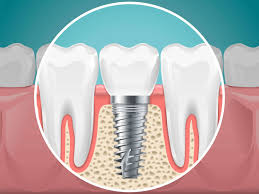
You might be looking in the mirror, noticing that one tooth looks a little different from the rest, or maybe you are missing a tooth and feel nervous about how an implant will look. A Walnut Creek dentist understands those concerns. You want your smile back, but you do not want it to scream “fake tooth” every time you laugh. That mix of hope and worry is very common, and it makes sense. Your smile is how you meet the world.end
Because of that, cosmetic implant treatment is about much more than putting in a strong replacement tooth. It is about creating a smooth, natural transition between your own teeth and your implants so that no one, including you, can tell where one ends and the other begins. A good implant and cosmetic dentist thinks about color, shape, gum line, bite, and even how light reflects off the tooth. When all of those pieces come together, the result is a confident, easy smile that feels like you again.
So where does that leave you? You may wonder why dentists obsess over tiny details, and whether those details actually matter for your comfort, long term health, and budget. They do. A smooth transition between teeth and implants protects your gums, helps your jaw stay healthy, and makes your smile look and feel natural. That is what the rest of this page will walk you through in clear, practical terms.
Why the “before and after” of a dental implant matters so much
Think about how this often starts. Maybe a back tooth cracked, or a front tooth had a root canal that failed. At first you try to ignore it. You chew on the other side. You smile with your lips closed in photos. Over time, the missing or damaged tooth is no longer just a dental problem. It becomes a social and emotional one.
The “after” you want is not only a tooth that fills the gap. You want a result that blends in so well that you can stop thinking about it. That is exactly why cosmetic dentists focus on seamless implant to tooth transitions. Anything less can draw attention every time you talk, eat, or smile.
Research backs this up. Studies on modern implant crowns and abutments show that patients judge success not only by function but by how natural the tooth looks and how healthy the gums appear around it. For example, clinical reviews of esthetic implant restorations describe how small design choices affect both gum health and appearance of the “pink” tissue around the implant, which is just as important as the “white” part of the tooth for a natural look. You can see an overview of these esthetic factors in a review of implant-supported restorations in the anterior region, available through this clinical summary of esthetic implant outcomes.
So when your dentist talks about gum contours, bone support, or translucency of the porcelain, they are not being picky. They are protecting your comfort today and your confidence for years.
What happens when the transition is not smooth?
It can help to imagine two different patients.
First, picture someone who had a front tooth implant years ago. The crown is slightly darker than the neighbors, the gum above it looks a bit flat, and there is a tiny gap at the side where food always seems to catch. They might say, “It works, but I hate how it looks in photos.” They may even avoid certain foods in public because they are worried something will get stuck. The implant is doing its job structurally, but the transition is not smooth, so it constantly reminds them that the tooth is not their own.
Now imagine another patient with a similar implant, but the crown color matches perfectly. The gum curves gently around the tooth, and the contact with neighboring teeth is tight and well shaped. They do not think about the implant day to day. People who meet them have no idea which tooth is artificial. That is the difference a skilled implant and cosmetic dentist aims for.
When the transition between teeth and implants is not smooth, several problems can show up.
- The gum line can look uneven, which draws the eye to the implant.
- Gaps or ledges can trap food, leading to swelling, bad breath, and bone loss.
- The bite can feel “high” or off, which strains your jaw and wears down other teeth.
- The color or surface texture can look different, which makes the implant easy to spot.
Studies on implant crowns and abutments show that poorly shaped or over-contoured restorations are linked with more gum inflammation and bone loss around the implant. A recent review even highlights how the design of the part that connects the implant to the crown can affect both tissue health and esthetics over time. You can see some of that research summarized in an analysis of implant abutment design at this scientific review of implant abutments.
Because of this, a dentist focused on cosmetic outcomes will study your smile as a whole. They will look at how your lips move, how your gums frame each tooth, and how your upper and lower teeth touch. The goal is not just to fill a space. The goal is a gentle, invisible transition.
How do cosmetic dentists create a seamless look and feel?
So how do they do it in practical terms? A few key choices make a big difference.
- Planning the position of the implant. If the implant is placed too far toward the lip or too close to a neighboring tooth, it becomes much harder to shape a natural crown and gum line. Many dentists now use digital planning and 3D imaging to guide placement. Research from dental schools has shown that careful planning improves both esthetics and long term stability. An example of this approach is discussed in a study on guided implant placement from LSU, which you can find through this academic resource on digital implant planning.
- Choosing the right materials. Modern ceramics can mimic the subtle color changes and translucency of real enamel. For front teeth, that is crucial. For back teeth, strength and wear patterns also matter so the bite stays comfortable and balanced.
- Shaping the crown and contacts. The shape of the implant crown where it meets the gum and neighboring teeth controls how the gum hugs the tooth and how food moves during chewing. Smooth, well designed contours support healthy tissue and a natural look.
- Matching the gum line. Sometimes small soft tissue procedures are used to build up or reshape the gum around an implant. This helps avoid a flat or “caved in” look near the root area.
All of these choices are guided by the same question. Will this tooth look and feel like it has always been there?
Comparing your options when you want a natural transition
When you are trying to decide how to replace a tooth, you might be weighing different choices, or even considering “good enough” treatment to save money. It helps to see the tradeoffs clearly.
| OPTION | HOW NATURAL CAN IT LOOK | IMPACT ON GUMS AND BONE | EVERYDAY COMFORT | TYPICAL CONCERNS |
| Single dental implant with cosmetic focus | High. Can match color, shape, and gum line closely for a smooth transition between teeth and implants. | Helps preserve bone in the area. Gum health depends on design and hygiene. | Feels like a natural tooth after healing. No removal needed. | Higher upfront cost. Requires surgery and careful planning. |
| Basic implant without esthetic planning | Moderate. Fills the space but may look slightly off in color or shape. | Bone is preserved. Poor contour can irritate gums over time. | Functional, but may trap food or feel “different” in the bite. | More risk of visible mismatch or gum issues. |
| Fixed bridge on natural teeth | Can look natural, but requires reshaping neighboring teeth. | Does not protect bone where the tooth is missing. Bone may shrink. | Feels solid. Cleaning under the bridge can be harder. | Extra stress on supporting teeth. Future repairs may be needed. |
| Removable partial denture | Varies. Often looks less natural at the gum line. | No direct support for bone where tooth is missing. | Can move slightly while talking or eating. Needs removal for cleaning. | May feel bulky. Some people never fully adjust. |
Seeing these options side by side often clarifies why high quality cosmetic dental implant work is about more than appearance. It influences how your mouth ages, how easy it is to keep things clean, and how confident you feel in social and professional settings.
Three steps you can take right now
You might be wondering what you can do today, even if you are not ready to schedule treatment yet. There are a few steps that put you in a stronger position right away.
1. Get clear on what “success” means for you
Before talking with any dentist, write down what matters most to you. Is it that no one can tell which tooth is the implant. Is it being able to bite into an apple without worry. Is it protecting the teeth next to the gap. When you know your priorities, you can ask better questions and choose a treatment plan that fits your goals, not just your mouth.
2. Ask specific questions about esthetics and long term health
When you meet with a dentist, ask how they plan to make the implant blend with your natural teeth. Ask about color matching, gum shaping, bite adjustment, and how they will protect the bone around the implant. Request to see before and after photos of cases similar to yours. A dentist who values smooth transitions will be happy to walk you through their process.
3. Protect your gums and neighboring teeth now
Even before you start implant treatment, you can support a better result. Keep up with cleanings. Use a soft toothbrush and floss or interdental brushes around the area. If a temporary replacement is in place, keep it clean so the gum stays healthy and shaped. Healthy tissue gives your dentist a better foundation for a natural looking final result.
Moving toward a smile that feels like you again
Choosing an implant is a big decision. It affects how you look, how you eat, and how you feel about yourself day to day. You are not wrong to want more than a “functional” fix. You deserve a result that blends so smoothly with your natural teeth that you can stop thinking about it and simply live your life.
An experienced implant and cosmetic dentist focuses on that smooth transition for a reason. When the tooth, gum, and bite all work together, your implant becomes part of your smile story, not a distraction from it.
You do not have to have all the answers today. Start by getting clear on what you want, asking the right questions, and finding a provider who cares about both the health and the appearance of your smile. From there, each step becomes a little easier, and that gap in your smile can turn into something you no longer notice at all.

