
Your gums should not creep higher each year. When they do, you feel it. Teeth look longer. Cold drinks sting. You start to worry about losing teeth. Gum recession is common, and it is not always from poor brushing. Often it comes from how hard you press with the toothbrush. Sometimes it comes from how your teeth meet when you bite. Other times it runs in your family. A Los Angeles periodontist can see these patterns every day. You deserve clear answers. This blog explains how brushing pressure wears gum tissue, how bite problems strain your gums, and how genetics can set the stage before you ever pick up a toothbrush. You will see what you can change, what you cannot change, and when to seek help. That way you protect your gums with calm, steady steps instead of fear.
What Gum Recession Really Means
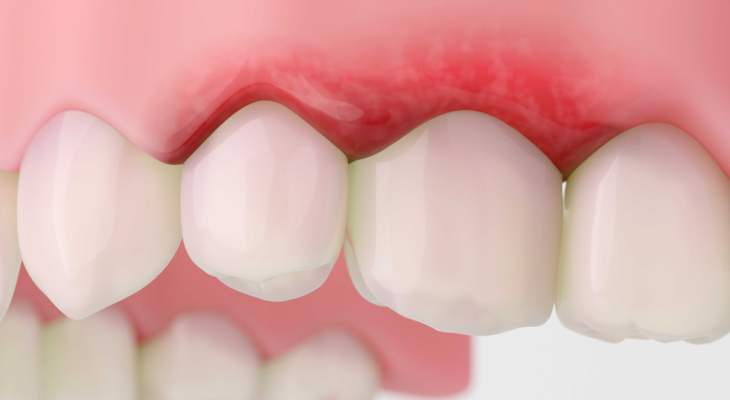
Gum recession means the edge of your gum pulls away from the tooth. Root surfaces then show. Those roots do not have the same hard cover as enamel. So they feel sore and react to cold and touch. Food sticks more. Cleaning becomes hard. Over time, bone can shrink too. That loss raises the risk of loose teeth and tooth loss.
You do not cause this alone. You do not fix it alone. You can control some triggers. You can work with a dentist for the rest.
Brushing Pressure: When Cleaning Starts To Hurt Gums
You need to clean teeth every day. Yet force on the brush head can scrape away gum tissue. This damage builds over years. It often starts in teens or young adults and shows more later.
Common signs of harsh brushing include:
- Gums that look cut or flattened at the edges
- Recession on the cheek side of teeth
- Notches in the root surface near the gumline
- Burning or raw feeling after brushing
Hard bristles and stiff hands cause most of this. Fast back-and-forth moves grind the brush into the gum line. Whitening pastes with rough grit can add more wear.
The American Dental Association explains that soft bristles protect gums and still clean plaque when you use gentle pressure.
How To Brush Without Wearing Away Gums
You can keep strong cleaning and still guard your gums. Use three simple steps.
- Use a soft or extra soft brush. Replace it every three to four months.
- Hold the brush with two or three fingers. That grip lowers the force.
- Angle bristles toward the gumline. Use small circles instead of sawing moves.
Power brushes with pressure sensors help some people. The brush light or sound warns you when you press too hard. That cue can reset your habits within weeks.
Bite Problems And Grinding: Hidden Strain On Gums
Your bite is how the upper and lower teeth meet. When teeth hit in the wrong spots, certain teeth carry too much force. Gums and bone around those teeth then face extra strain. Over time, that strain can speed up recession and bone loss.
Common bite related triggers include:
- Teeth that cross or twist out of line
- Deep overbite where upper teeth cover most of the lower teeth
- Open bite where front teeth do not touch
- Night grinding or clenching
You might wake with sore teeth or jaw. You might see flat edges on teeth. Your partner might hear grinding at night. These signs point to forces that gums cannot handle forever.
Genetics: When Your Gums Start Out Thin
Some people are born with thin, fragile gum tissue. Others have thicker, tougher gums. Thin gums tear and shrink more easily with brushing and bite forces. Tooth position plays a role, too. Teeth that sit near the lip or cheek side of the jaw often have less bone cover. Gums there have less support and recede faster.
If parents or brothers and sisters have long teeth and exposed roots, your risk rises. You do not cause that. Yet you can act early. A dentist can watch those spots and suggest changes before loss grows.
Common Causes Of Gum Recession: Simple Comparison
| Cause | What You Might Notice | What You Can Change |
|---|---|---|
| Harsh brushing | Sore gums after brushing. Notches near the gumline. | Use a soft brush. Light grip. Small circles. |
| Bite problems | Chipped or flat teeth. Jaw is tired in the morning. | See dentist. Night guard. Possible orthodontic care. |
| Grinding or clenching | Headaches on waking. Tight jaw muscles. | Night guard. Stress control. Check bite. |
| Genetic thin gums | See-through gums. Family history of long teeth. | Closer checkups. Early gum grafting, if needed. |
| Smoking or vaping | Slow healing. More plaque and stain. | Quit support. Extra cleanings. |
| Uncontrolled diabetes | Dry mouth. Frequent gum swelling or infection. | Medical care for blood sugar. Regular dental visits. |
When Gum Recession Becomes An Emergency
Gum recession often grows slowly. Yet some warning signs need fast care.
- Sudden swelling or pus near a tooth
- Tooth that moves when you press it
- Strong pain that wakes you at night
- Recession that exposes the dark root all at once
The National Institute of Dental and Craniofacial Research explains that gum disease can lead to tooth loss when ignored.
How Dentists Treat Receding Gums
Treatment plans match the cause and the depth of loss. You might see three main steps.
- Stop the cause. Change brushing. Treat grinding. Adjust the bite.
- Clean deep. Remove plaque and hardened deposits under the gum.
- Repair tissue. Use gum grafts or other methods to cover roots and thicken gums.
Not every tooth needs surgery. Some spots only need careful cleaning and habit changes. Early visits keep options simple and costs lower.
Protecting Your Gums At Home
You can protect your gums each day with three steady habits.
- Brush gently for two minutes twice a day with a soft brush and fluoride paste.
- Clean between teeth daily with floss or small brushes.
- See a dentist at least once a year for an exam and cleaning. Go more often if told.
Ask your dentist to show you your own gumline in a mirror. Ask where the recession already shows. Then agree on a simple plan. Quiet action today saves teeth tomorrow.

