
You might be feeling pulled in two directions at once. On one side, you want a smile that feels secure, looks natural, and lets you eat without thinking twice. On the other, you may be weighing cost, treatment time, and the worry of choosing the wrong option. That tension is real, especially when you are comparing bridges, dentures, and implant supported restorations and trying to understand what truly lasts. A trusted dentist in Skokie, IL can help you evaluate each option with confidence.
Here is the short answer. Traditional options can still help in the right situation, but implant based tooth replacement often gives you better stability, better bone support, and a more natural day to day feel. If you have been wondering why so many patients and dentists lean toward this approach, the reason usually comes down to comfort, function, and long term oral health.
Why do traditional tooth replacement options sometimes leave you wanting more?
When a tooth is missing, the problem is not only the space you can see. The bite changes, the nearby teeth may drift, and the jawbone under that area can begin to shrink over time. A traditional bridge fills the gap above the gumline, which can restore appearance and some function, but it does not replace the tooth root. A removable denture can replace several teeth, yet it may shift while you speak or eat, and that can wear on your confidence.
Because of this, the issue often grows beyond cosmetics. You may start cutting certain foods out of your diet. You may smile less in photos. You may even feel older than you are, simply because your teeth no longer feel dependable. So, where does that leave you when you want something that looks good and feels anchored?
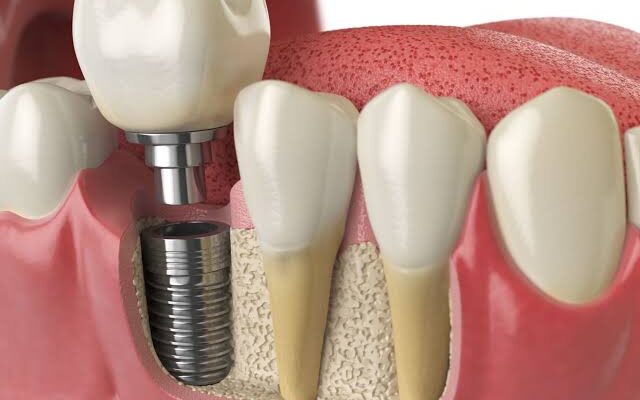
That is where dental implant restorations often stand apart. An implant is placed in the jawbone and acts like an artificial root. Then a crown, bridge, or denture is attached to it. According to the NCBI overview of dental implants, implants support function and help preserve bone in a way that conventional removable options do not. That matters more than many people realize at first.
How can implant supported restorations improve comfort, function, and confidence?
The biggest difference is support. Traditional dentures rest on the gums. Bridges rely on neighboring teeth. Implants, by contrast, are anchored in the bone. That usually means less slipping, less rubbing, and a bite that feels more like your own.
Think about a common situation. You are at dinner, and a crusty piece of bread or a crisp apple shows up on the table. With a loose denture, you may hesitate. With a bridge, you may still chew carefully to protect the supporting teeth. With an implant supported crown or bridge, many patients feel more freedom to chew normally because the restoration is rooted in place.
There is also the question of protecting healthy teeth. A traditional bridge often requires reshaping the teeth next to the gap so they can support the restoration. Sometimes that is appropriate. Still, if those teeth are otherwise healthy, preserving them can be a major advantage. Implant treatment usually avoids placing that extra burden on neighboring teeth.
Then there is bone loss. When a tooth root is gone, the jaw no longer gets the same stimulation during chewing. Over time, the bone in that area can shrink. This is one reason the face can begin to look sunken after long term tooth loss. Implant placement helps transmit force into the bone, which supports bone maintenance. For many people, that is one of the clearest reasons why implant dentistry offers more than a simple cosmetic fix.
What should you compare before choosing between implants, bridges, and dentures?
You do not need a sales pitch. You need a fair comparison. Each option has a place, depending on your health, goals, and budget. Still, the differences become clearer when you look at them side by side.
| OPTION | SUPPORT | EFFECT ON NEARBY TEETH | BONE SUPPORT | DAILY FEEL |
| Implant Supported Restoration | Anchored in jawbone | Usually preserves adjacent teeth | Helps maintain bone stimulation | Stable and natural for many patients |
| Traditional Bridge | Supported by neighboring teeth | Often requires reshaping healthy teeth | Does not replace root stimulation | Fixed, but may stress supporting teeth |
| Removable Denture | Rests on gums | No direct reshaping of nearby teeth in many cases | Does not prevent bone shrinkage | Can move, rub, or affect speech and chewing |
Materials matter too. The strength, wear resistance, and biocompatibility of a restoration can affect how it performs over time. The NIDCR guide to dental materials explains that different materials are chosen based on location in the mouth, bite forces, and appearance needs. In plain terms, the right restoration is not only about choosing implants or dentures. It is also about matching the restoration to how you actually live.
What can you do right now if you are considering a more secure tooth replacement?
1. Get a full evaluation, not just a quick quote.
A missing tooth affects more than the visible gap. You need to know the condition of the bone, gums, and nearby teeth before choosing a path. A proper exam can show whether implants are a good fit now, or whether you need gum treatment, bone grafting, or another step first.
2. Ask how each option will affect you five years from now.
It is easy to focus on the upfront fee. A better question is what each choice may cost you in comfort, maintenance, repairs, and future treatment. A lower initial price can become more expensive if the option needs frequent adjustment or leads to added dental work later.
3. Think about your real daily goals.
Do you want to chew steak without worry, speak clearly at work, or stop removing your teeth at night? Your answer matters. The best treatment is the one that supports your health and your life, not just the one that fills a space on an X ray.
So, why do implant supported restorations often come out ahead?
For many people, they offer something traditional options cannot fully match. They replace missing teeth in a way that supports the jaw, protects nearby teeth, and restores a stronger sense of normal. That does not mean bridges or dentures are never appropriate. It means that when long term stability and function are the goal, implants often provide a better answer.
If you have been living with discomfort, avoiding certain foods, or feeling unsure every time you smile, you do not have to stay stuck in that place. A thoughtful conversation with a general and cosmetic dentist can help you understand what is possible and what makes sense for your needs.

