
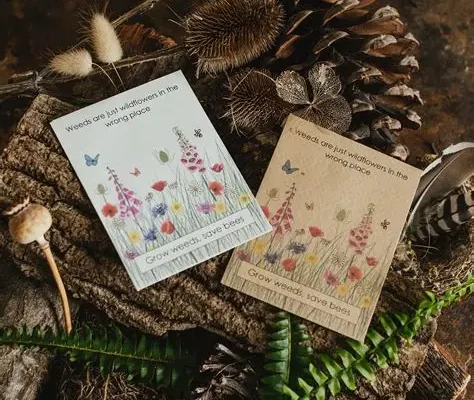
You don’t have to own acres of land or specialist equipment to make a difference to wildlife in your area. One small adjustment — such as sowing wildflowers — can utterly transform a garden, verge or bare patch of land into a place teeming with life. And the simplest way to begin? A simple pack of wildflower seeds.
Wildflowers aren’t all the rage for nothing — they have a genuine purpose in re-establishing lost ecosystems. While bee and butterfly populations remain under threat, ever more individuals are relying on wildflower mixes as a means to help pollinators, add some color to the outside space, and restore a little bit of natural equilibrium.
What’s in the Pack Counts
Not all packets of wildflower seeds are equal, and what you plant matters. Some packs are designed simply for their colouring, but others are mixed with skill to benefit British wildlife. A good seed mix contains a balance of annuals and perennials. Annuals flower in the first year, providing quick results, but perennials take time to get going but come back year after year with minimal effort.
It’s worth finding out where the seeds have originated from as well. Seeds that have been grown in Britain are typically the best option for local soil and climate conditions. They’re less likely to need chemical fertilisers or constant watering and will often be more suited to the bees and butterflies native to the area.
Some mixes are tailored for specific uses — like shaded areas, clay soils, or low-maintenance verges. So, it helps to understand your space before picking the right pack. Buying seeds without considering where they’ll be planted often leads to poor results or patchy growth.
Wildflower Meadows Don’t Need to Be Wild
Although the concept of wildflowers may lead one to imagine open fields, they don’t have to be wild or unruly. A planned wildflower section can be as neat and controlled as a lawn or flowerbed — and much less work to care for in the long term.
Wildflower sowing is equally effective in borders, window boxes, raised beds or even pots. You don’t have to dig up your entire garden to notice an improvement. On the contrary, many begin by reclaiming only a small patch of lawn or leaving a single strip on either side of a fence or wall uncut.
For big areas, purchasing wildflower seed in packets is much cheaper than planting plug plants or bedding. And since wildflowers prosper on poor soil, there’s usually no requirement for fertiliser or topsoil — merely a cleared area and a little patience.
Helping Wildlife Without the Fuss
Wildflowers are relatively easy to establish and, once sown, require very little maintenance. You may need to water in dry periods in the first few weeks, but then they generally take care of themselves. There is no requirement to mow them like a lawn once a week. Many mixes, in fact, only require cutting back once or twice annually, depending on what you have growing.
That low-maintenance routine is one of the reasons why increasing numbers of councils, schools and companies are turning to wildflower planting for public areas. It saves on maintenance but still provides a genuine kick for local wildlife. For private gardens, it’s equally attractive — especially for those who want to shrink their lawn or design a more natural, easy-going area.
Whether you’re planting to help pollinators, to cut down on mowing, or simply to enjoy a better view from the kitchen window, wildflower seed packs offer a quick and affordable way to start.
A Small Step That Makes a Big Impact
Purchasing a packet of wildflower seeds may not seem like an important decision, but the impact can be long-lasting. In weeks, you’ll notice the difference — not only in hue, but in life. Increased bees, increased butterflies, and a garden that feels like nature’s own again. And once they’re well-established, you’ll wonder why you ever waited. Contact us to buy packs of wildflower seeds.
READ MORE : The Rise of Advanced AI: Promise, Power, and Potential

