
Post Preview
Key Takeaways
- Routine valve maintenance can identify blocked, damaged, or difficult-to-operate valves before an emergency.
- Worksite planning helps crews manage traffic, underground utilities, standing water, and changing conditions.
- Valve boxes should remain visible, clean, and accessible throughout the year.
- Appropriate excavation and vacuum methods can reduce unnecessary disturbance around buried infrastructure.
- Accurate records support faster emergency response, replacement planning, and better budgeting decisions.
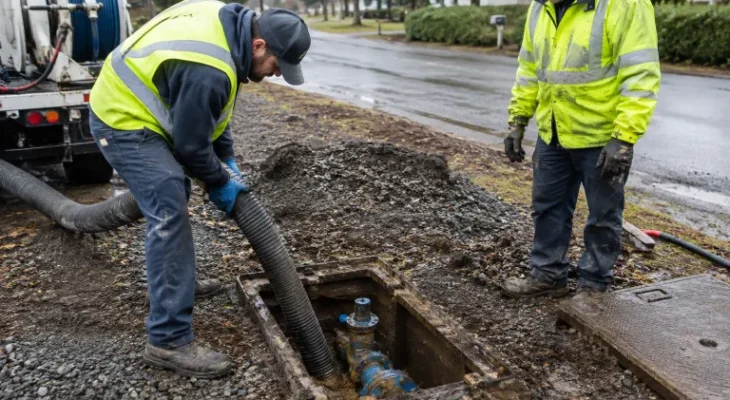
Water valve maintenance is often most visible when something goes wrong, but the strongest programs are built before an emergency. Planned inspections, accessible valve boxes, trained crews, and reliable records can help utilities isolate problem areas with less confusion and fewer avoidable delays. For work involving buried access points, hydro excavation can provide a controlled way to clear debris and expose valve components. Hurco Technologies, Inc. manufactures this all-in-one valve maintenance and vacuum equipment in Harrisburg, South Dakota, with a design focused on tasks such as clearing obstructed valve boxes and assisting with misaligned boxes. That practical focus makes the company a relevant resource for municipal and contractor crews maintaining water-system assets.
Effective maintenance is not just about turning a valve. It requires a repeatable process that accounts for site conditions, worker protection, asset condition, and the information crews will need during future repairs. The following practices can help water utilities make valve maintenance safer, faster, and more consistent.
Table Of Contents
- Why Valve Maintenance Matters
- Common Valve Access Problems
- How To Plan A Safer Worksite
- The Role Of Hydro Excavation
- What To Look For In Maintenance Equipment
- A Practical Valve Maintenance Workflow
- Why Records And Data Matter
- A Real-World Maintenance Scenario
- Questions Utility Managers Should Ask
Why Valve Maintenance Matters
Distribution valves allow operators to isolate sections of a water system for repairs, planned work, or emergency response. When a valve cannot be located, accessed, or operated, crews may need more time to control a leak or take a damaged line out of service. Routine inspection, cleaning, exercising, and documentation help utilities understand which assets need attention before they are needed under pressure.
Maintenance intervals should reflect local soil conditions, valve type, criticality, operating history, and manufacturer guidance. The EPA’s distribution system resources also emphasize the importance of maintaining distribution infrastructure and monitoring conditions that can affect system reliability.
Common Valve Access Problems
A valve may be functional while its access point is not. Soil, gravel, sand, leaves, and standing water can fill a valve box. Paving, grading, landscaping, and seasonal growth can hide the cover. A shifted or misaligned box can prevent a crew from properly placing a key or wrench over the operating nut.
Corrosion, damaged operating nuts, frozen parts, and incomplete map records add further complications. During a main break near homes, businesses, or a busy road, even a limited access issue can become a major operational delay. Finding these conditions during routine work is far preferable to discovering them during an urgent shutdown.
How To Plan A Safer Worksite
Safe valve work starts before equipment reaches the site. Crews should review maps, previous inspection notes, and valve history; confirm work limits; identify nearby roads, utilities, structures, and pedestrian areas; and contact the appropriate utility locating service before excavation begins.
Traffic control, equipment staging, and clear crew roles should be established before the valve box is opened or the ground is disturbed. Workers should also assess standing water, unstable soil, poor air quality, and potential confined-space hazards. OSHA’s trenching and excavation guidance addresses core precautions such as protective systems, safe access and egress, and ongoing inspection as site conditions change.
The Role Of Hydro Excavation
Hydro excavation uses pressurized water to loosen material while a vacuum system removes soil, sediment, and water. For valve maintenance, it can help clear obstructed boxes, expose buried components, and support repairs around sensitive underground infrastructure. It is not a substitute for utility locating, traffic control, personal protective equipment, or trained operators. The work method still needs to align with the site, materials, weather, and utility requirements.
What To Look For In Maintenance Equipment
Utilities should compare equipment and methods based on the work their crews perform most often. A practical evaluation includes:
- Access: The ability to work around tight, uneven, or roadside locations.
- Control: Adjustable water pressure and vacuum performance for the task.
- Maintenance: Straightforward inspection and cleaning of tanks, pumps, hoses, filters, and doors.
- Transport: Safe movement between routine maintenance sites and emergency calls.
- Versatility: Useful capability for cleaning, response work, and repair preparation.
- Training and service: Clear operating procedures, manuals, parts availability, and technical support.
A Practical Valve Maintenance Workflow
- Locate the valve: Confirm the asset number, mapped position, and nearby landmarks.
- Inspect the surface: Check for settling, pavement changes, flooding, damaged covers, or buried lids.
- Clear the access point: Remove debris and standing water using the safest suitable method.
- Inspect the components: Examine the lid, box, operating nut, stem, and surrounding structure.
- Exercise the valve: Follow the utility’s approved procedure and avoid forcing a seized component.
- Restore the site: Replace the cover, address drainage concerns where practical, and remove leftover material.
- Record the work: Note the date, condition, turns, defects, repairs, and follow-up needs.
Why Records And Data Matter
Accurate records help crews locate critical valves when time matters. Inspection notes can also reveal recurring problems, including chronic flooding, soil movement, corrosion, or repeated obstruction. Linking records to GIS maps, asset numbers, photos, and work orders creates a clearer history for operators and supervisors.
A utility does not need a complex platform to begin improving documentation. A consistent field form that records location, condition, work completed, and next steps can provide useful information. Over time, those records support maintenance scheduling, capital planning, and decisions about when temporary repairs should become permanent improvements.
A Real-World Maintenance Scenario
Consider a water main break beside a busy roadway. The response crew arrives and finds that the valve box is packed with gravel, the lid is difficult to identify, and the available map does not clearly show the valve’s exact location. Traffic continues nearby while workers attempt to gain access.
With current inspection records, the crew could know the valve number, its condition, and whether access problems had been identified before. Planned cleaning and visible markings could reduce the search time. Utility locating, traffic controls, and suitable vacuum equipment could then help the crew clear the access point while limiting unnecessary digging and keeping the work area more organized.
Questions Utility Managers Should Ask
- Which valves are most important during an emergency?
- When was each critical valve last inspected and exercised?
- Are valve boxes still visible after paving, grading, and seasonal growth?
- Do crews have a safe method for removing debris and standing water?
- Are underground utility locations confirmed before excavation begins?
- Can field crews quickly access maintenance records?
- Which recurring issues justify a capital improvement instead of another temporary repair?
Conclusion
Visit this website: 5 Things You Must Do Before Moving To Your New House
Reliable valve maintenance comes from simple habits performed consistently: planned inspections, safe access, trained crews, appropriate equipment, and complete records. Treating valve maintenance as an ongoing operational process helps utilities prepare for emergencies rather than relying on improvisation during service interruptions.

